Case Study : High‑Security Access Control & Alarm Integration for a Rifle Range in Kent
The Challenge
This high-security infrastructure project demonstrates the integration of independent access control and intrusion detection systems into a unified safety ecosystem. Faced with the strict monitoring and compliance demands of a center-fire rifle range, Kent ITS engineered a hardware-level integration using Paxton Net2 and Texecom Premier platforms. The solution automates complex security logic—such as cross-system arming tokens, forced-entry triggers, and fail-secure power isolation paths—hiding this complexity behind a seamless, single-credential user experience. This architecture delivers total administrative visibility, automated threat reduction, and complete operational flexibility, showcasing how robust hardware engineering can secure high-risk facilities during unstaffed operational windows.
The Solution
1. Centralized Electronic Access Control Infrastructure
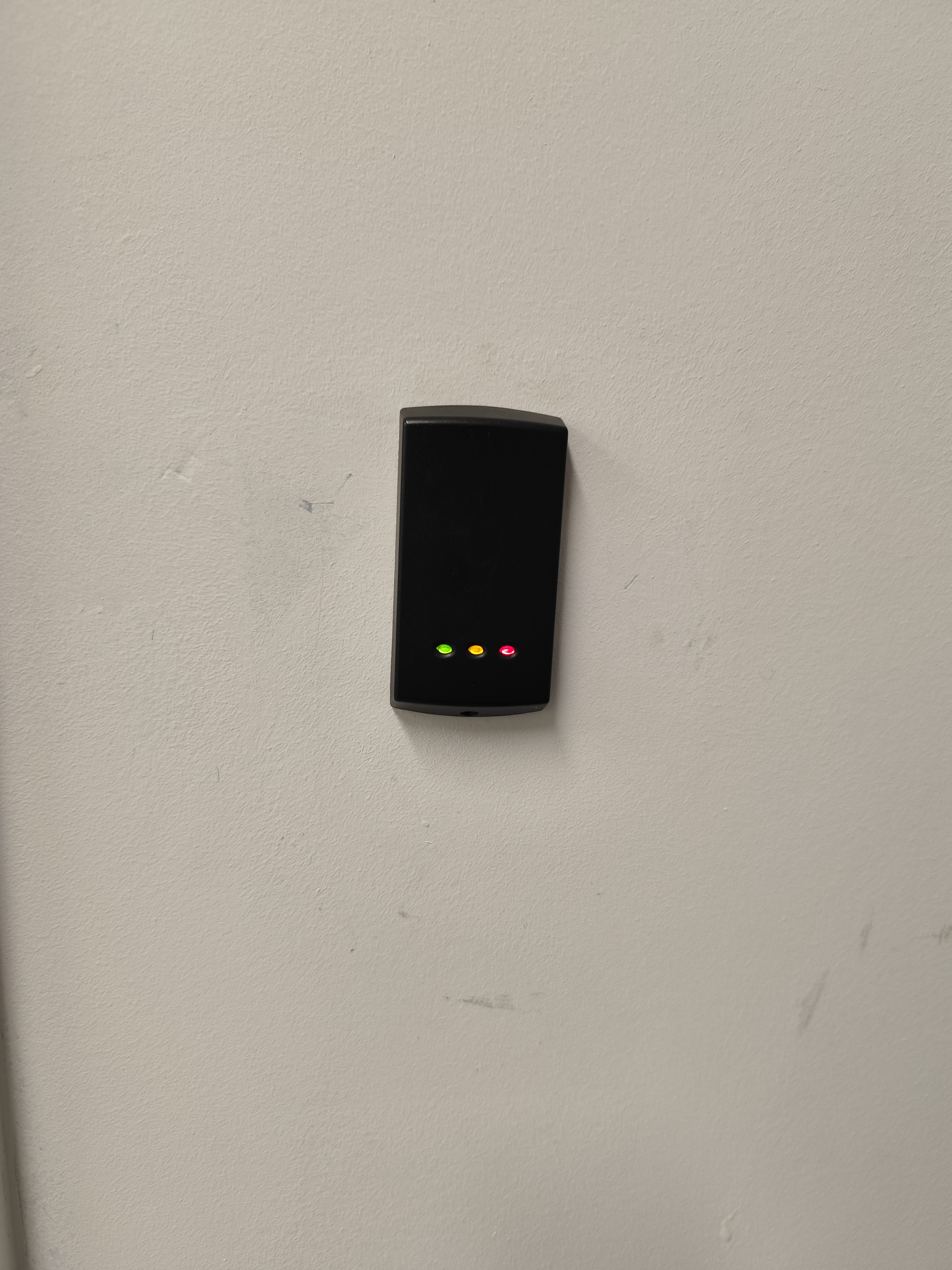
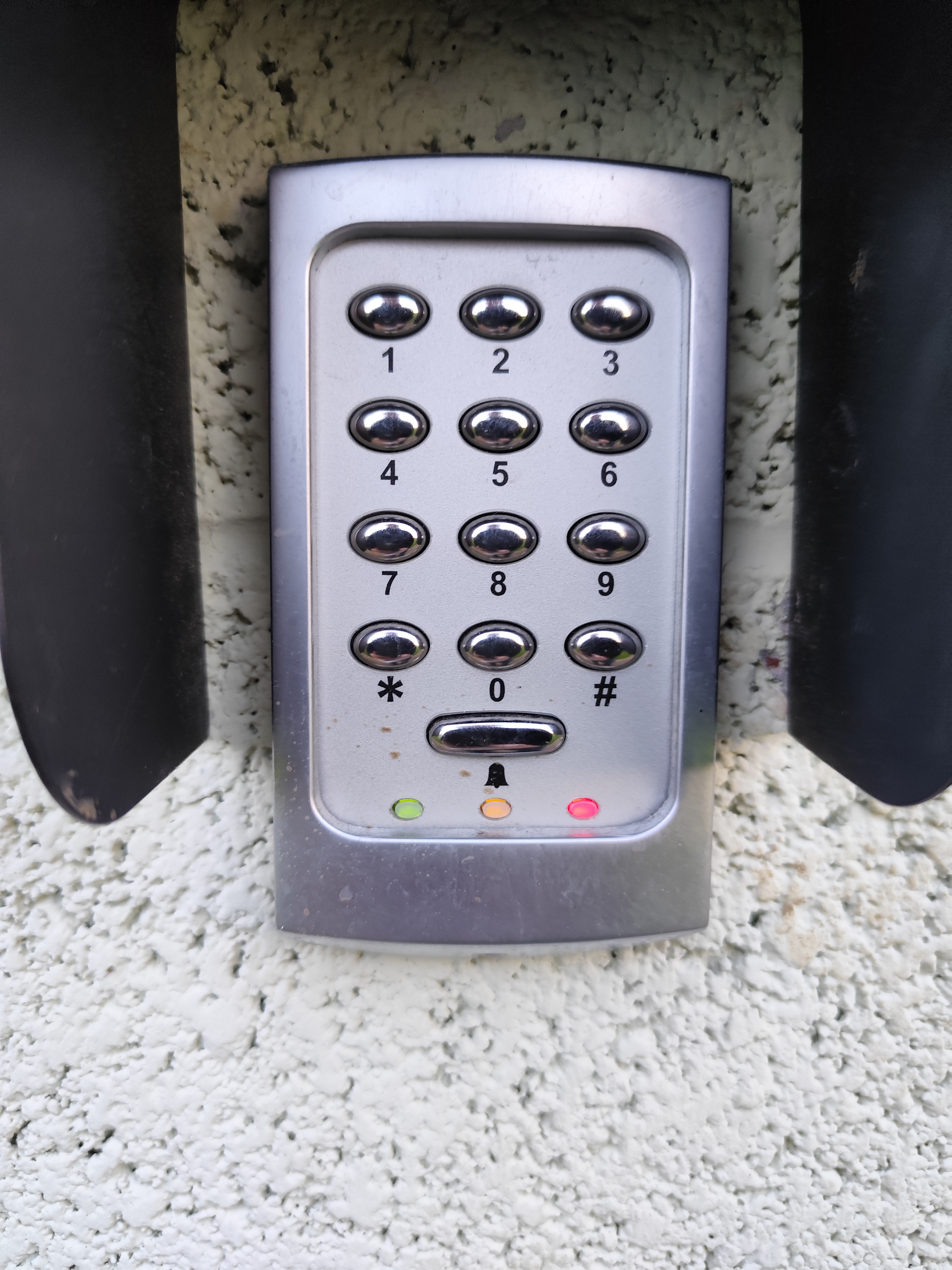
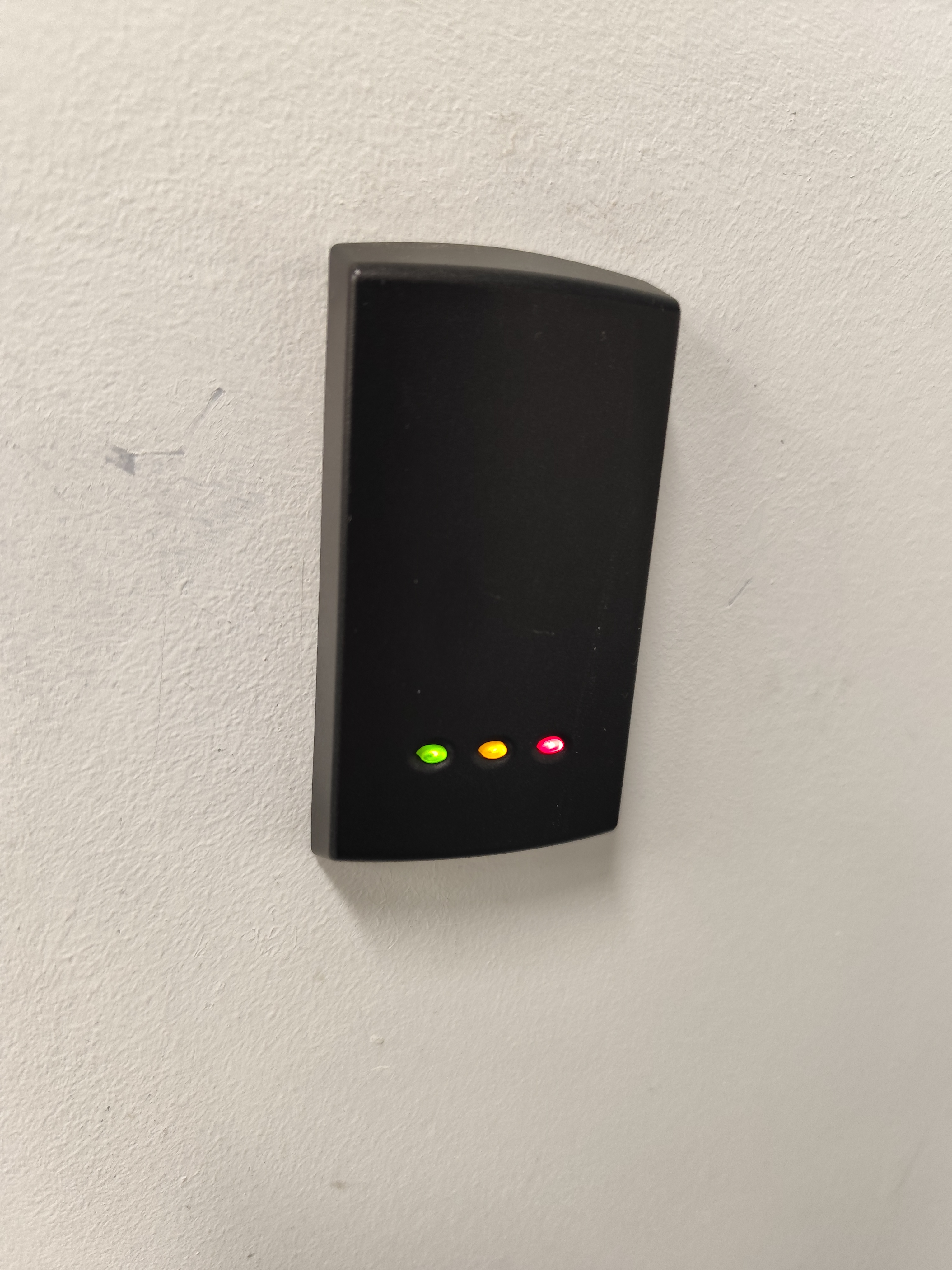
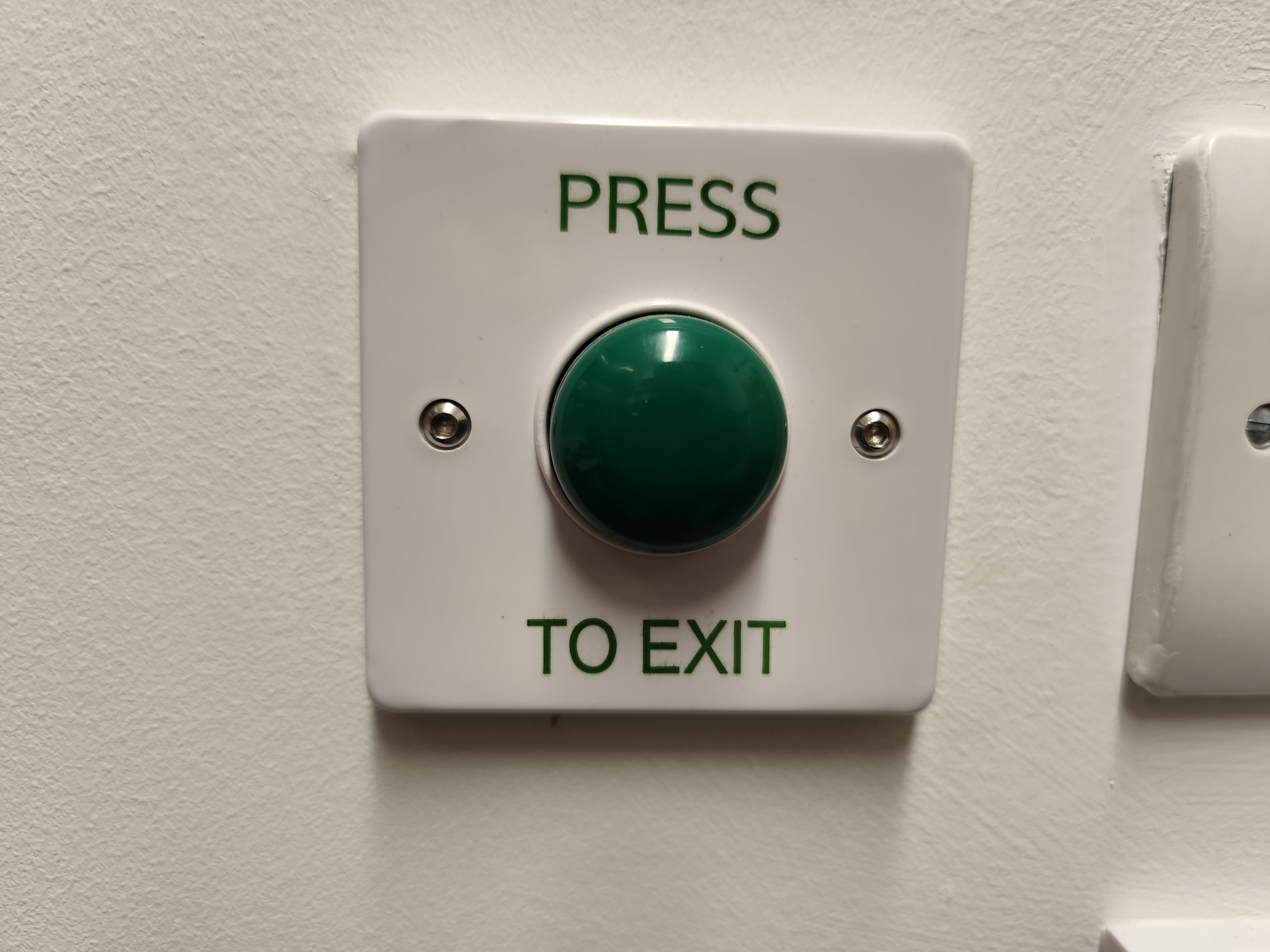
Kent ITS deployed a centralized Paxton Net2 electronic access control system to replace all physical lock-and-key points. Authorized users are issued secure electronic credentials that dynamically map to granular schedules, specific permissions, and restricted physical zones within the Net2 software interface. This centralized control allows administrators to modify user rights or revoke compromised credentials instantly across the entire facility without disrupting regular member operations.
2. Cross-Platform Alarm System Integration
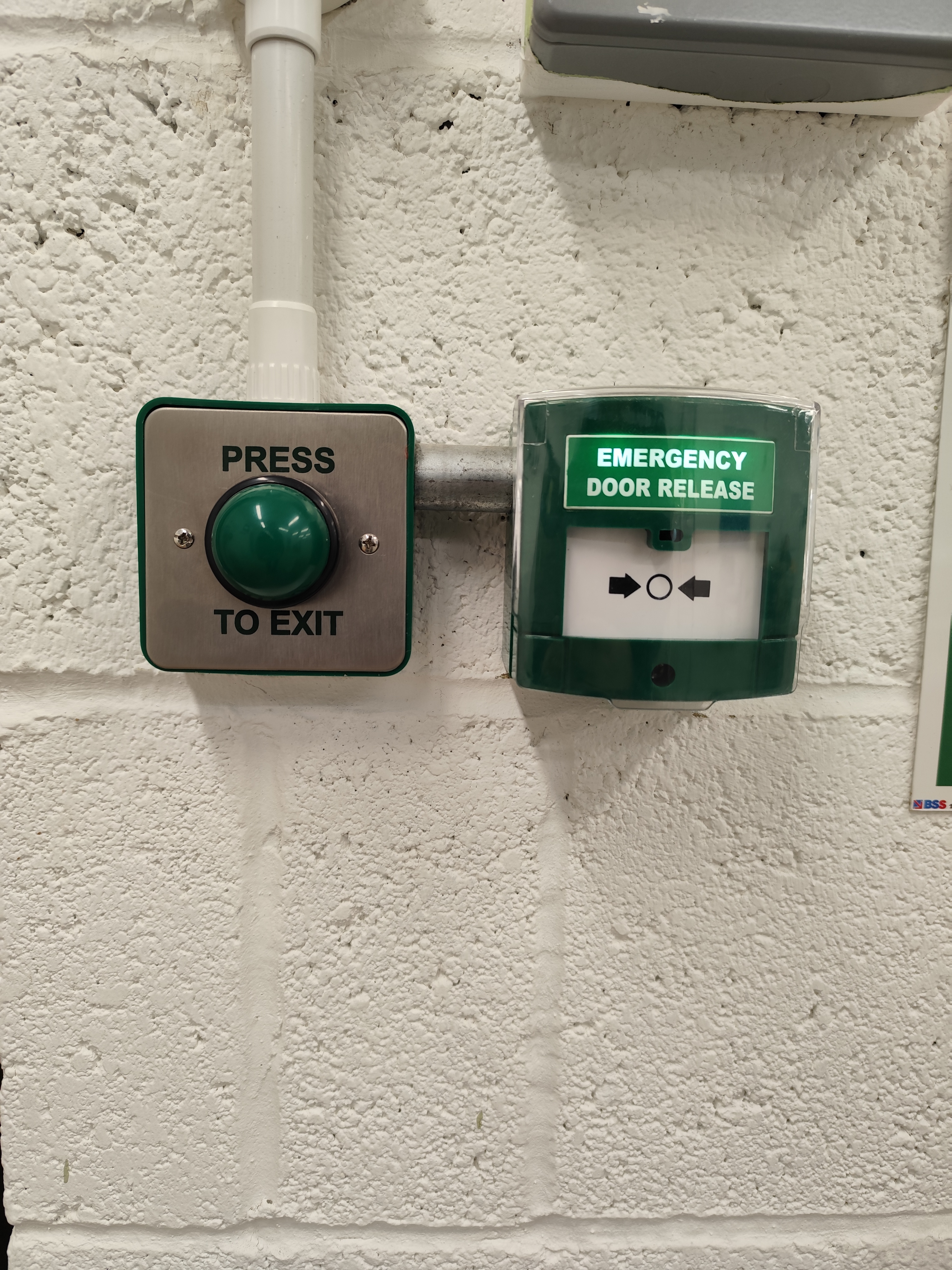
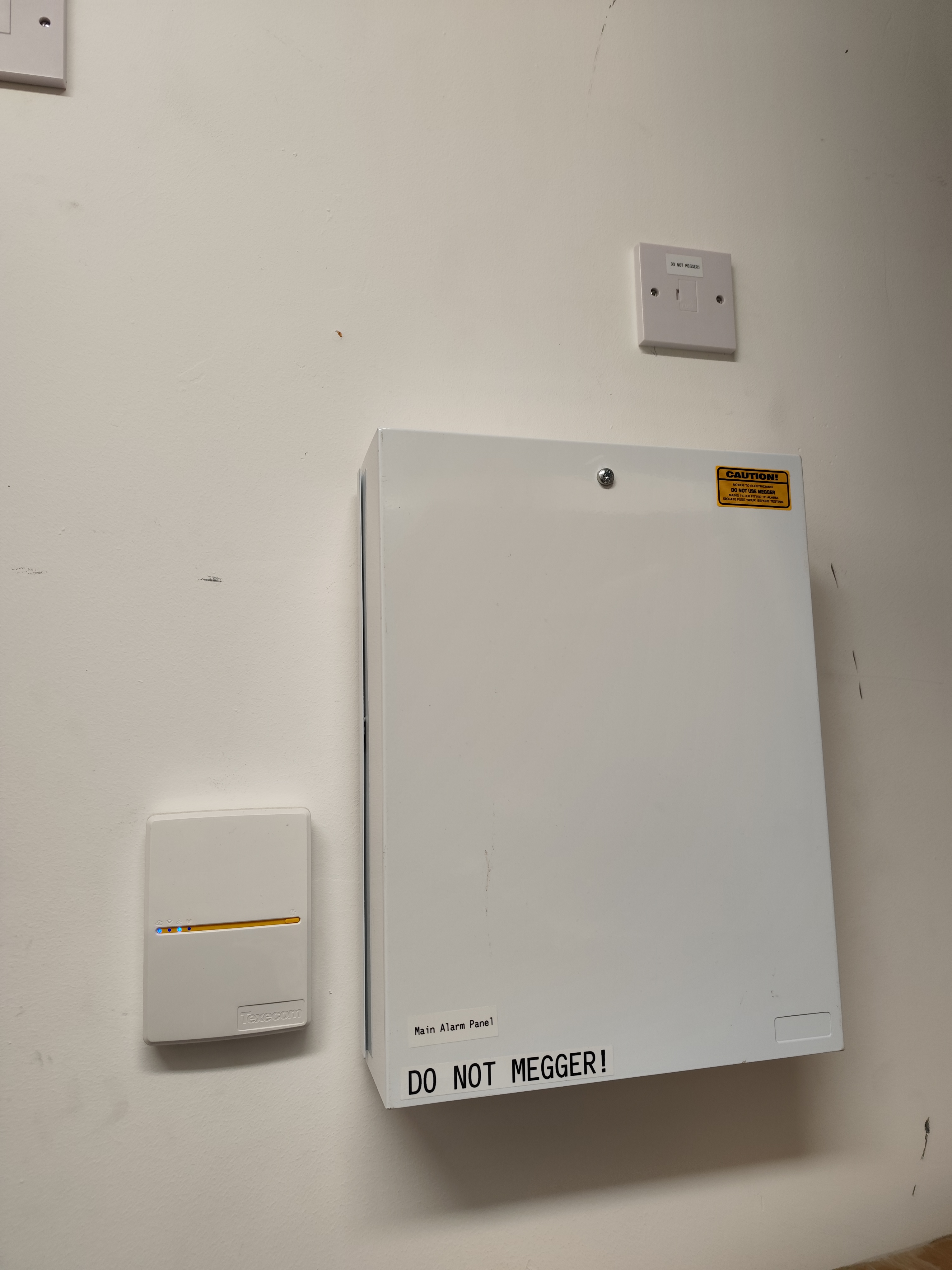
To eliminate human error regarding building security states, the Paxton Net2 access control array was directly integrated with a Texecom Premier intruder alarm platform. The system uses automated sequential logic: when an authorized credential is validated at a primary entry point during armed hours, the system verifies permissions and automatically executes a disarming sequence before unlocking the perimeter. Conversely, arming cycles are tied to designated exit credentials, ensuring the building is never left unmonitored or vulnerable to accidental operator abandonment.
3. Advanced Door-State Monitoring & Lock Engineering
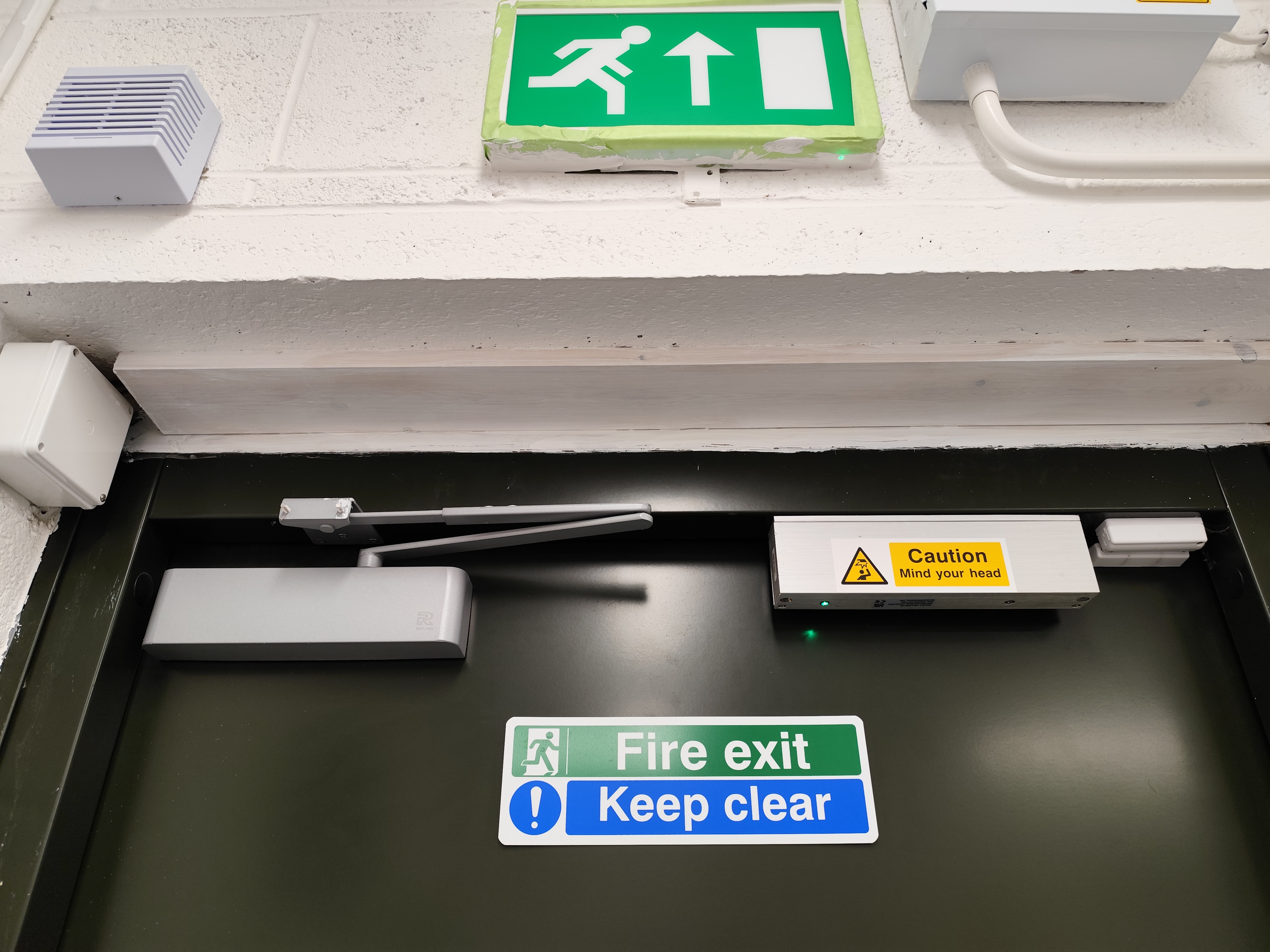
Every high-security access barrier was outfitted with heavy-duty monitored locking hardware and precise door-position sensors. This setup goes beyond checking if a lock is engaged; it provides continuous data feedback to detect subtle structural states, allowing the system to instantly flag and broadcast specific alerts for:
-
Forced Entry: Unauthorized physical breaches or lock bypass attempts.
-
Held-Open Conditions: Doors intentionally left open beyond a pre-configured time threshold.
-
Failed-to-Latch Events: Mechanical misalignments preventing a door from locking securely upon closure.
4. Battery-Backed Power Resilience
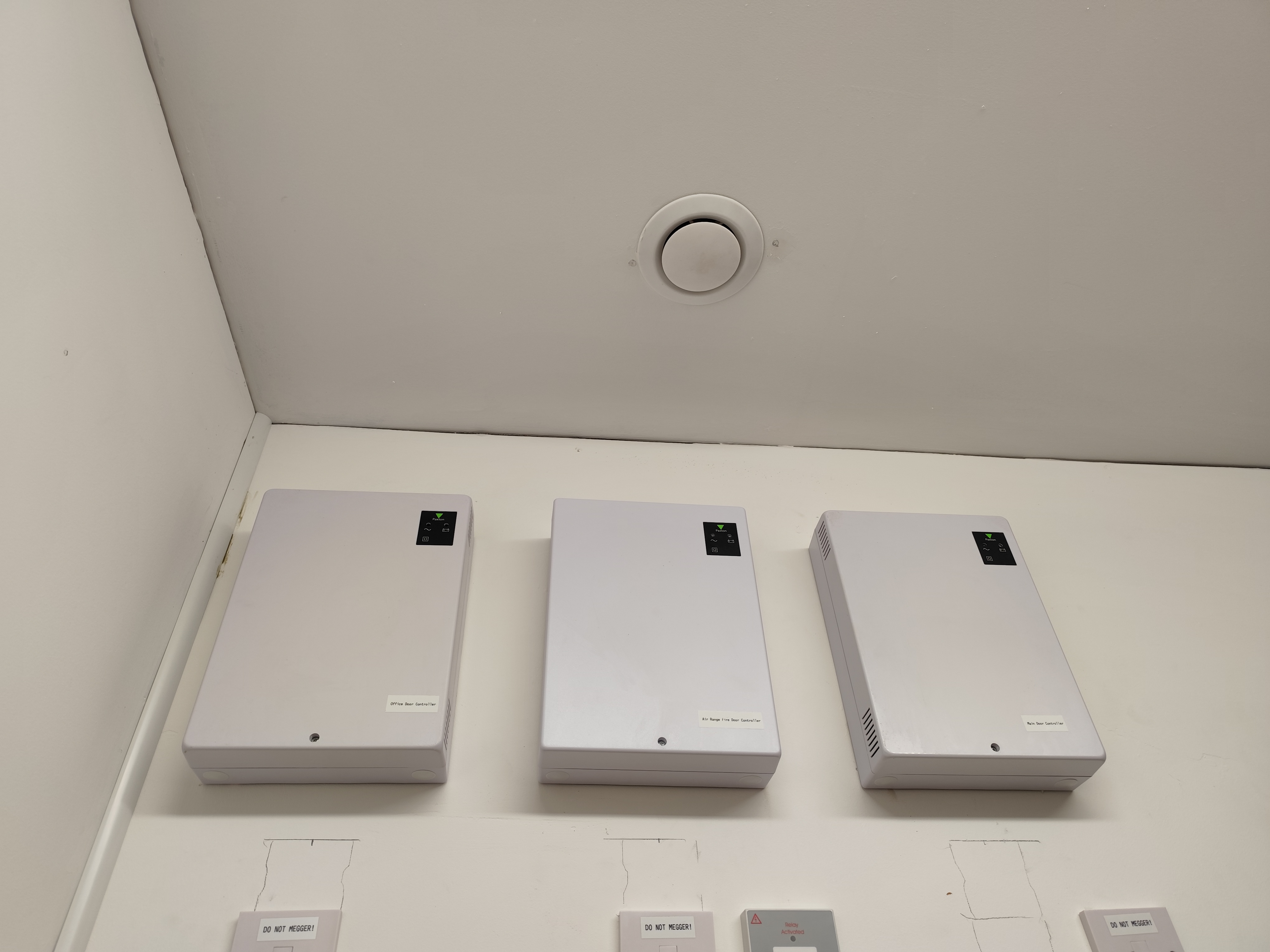
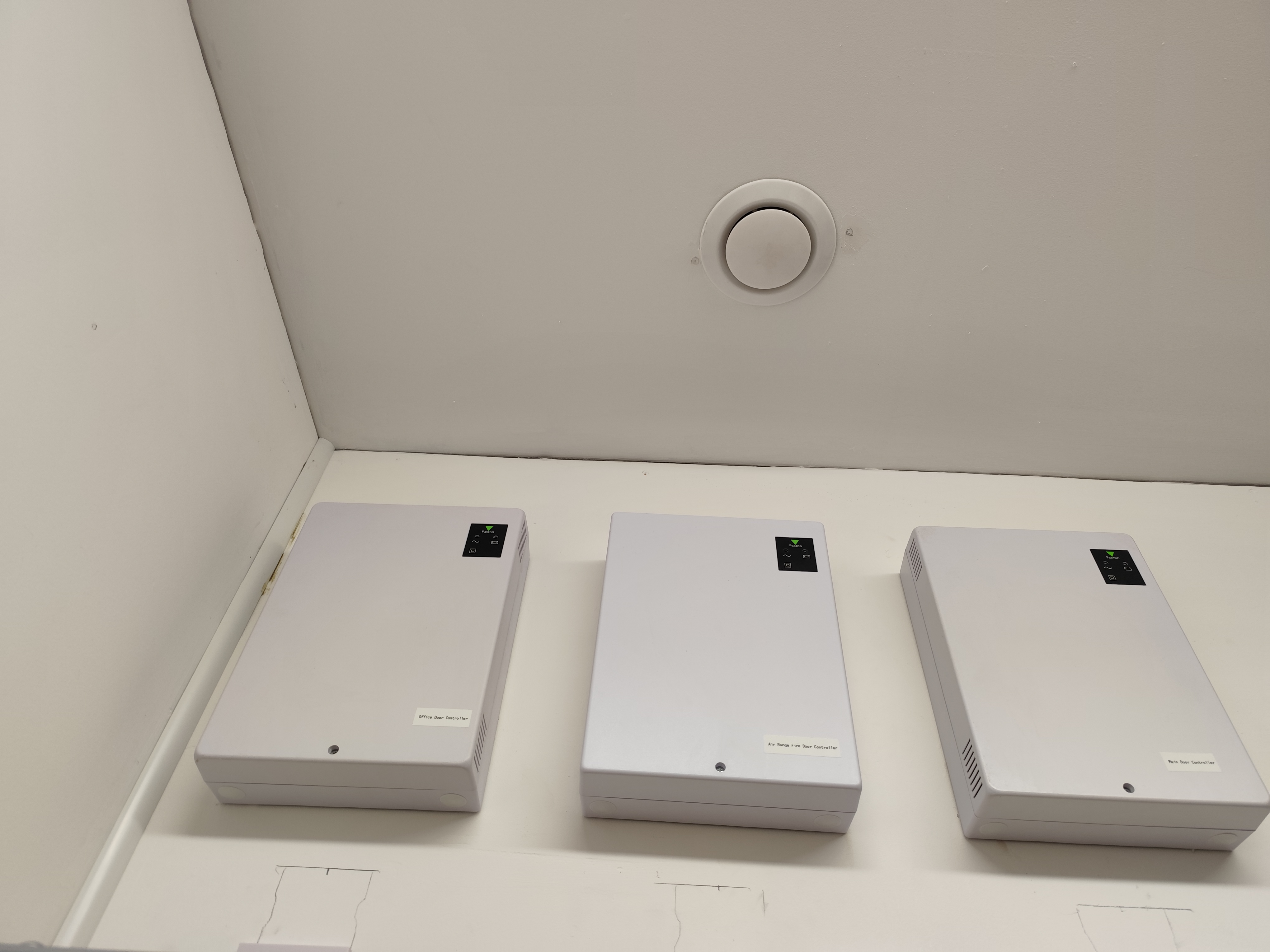
To protect against targeted physical grid sabotage or standard utility failures, the entire security layout runs on a distributed matrix of dedicated, battery-backed uninterruptible power supplies (UPS). These specialized power arrays continuously support the central controllers, communication modules, state sensors, and locking mechanisms. The mechanical locking infrastructure is strictly engineered to be fail-secure, ensuring all restricted perimeters remain locked, secure, and structurally predictable throughout any extended power outage.
5. Centralized Management & Auditing Interface
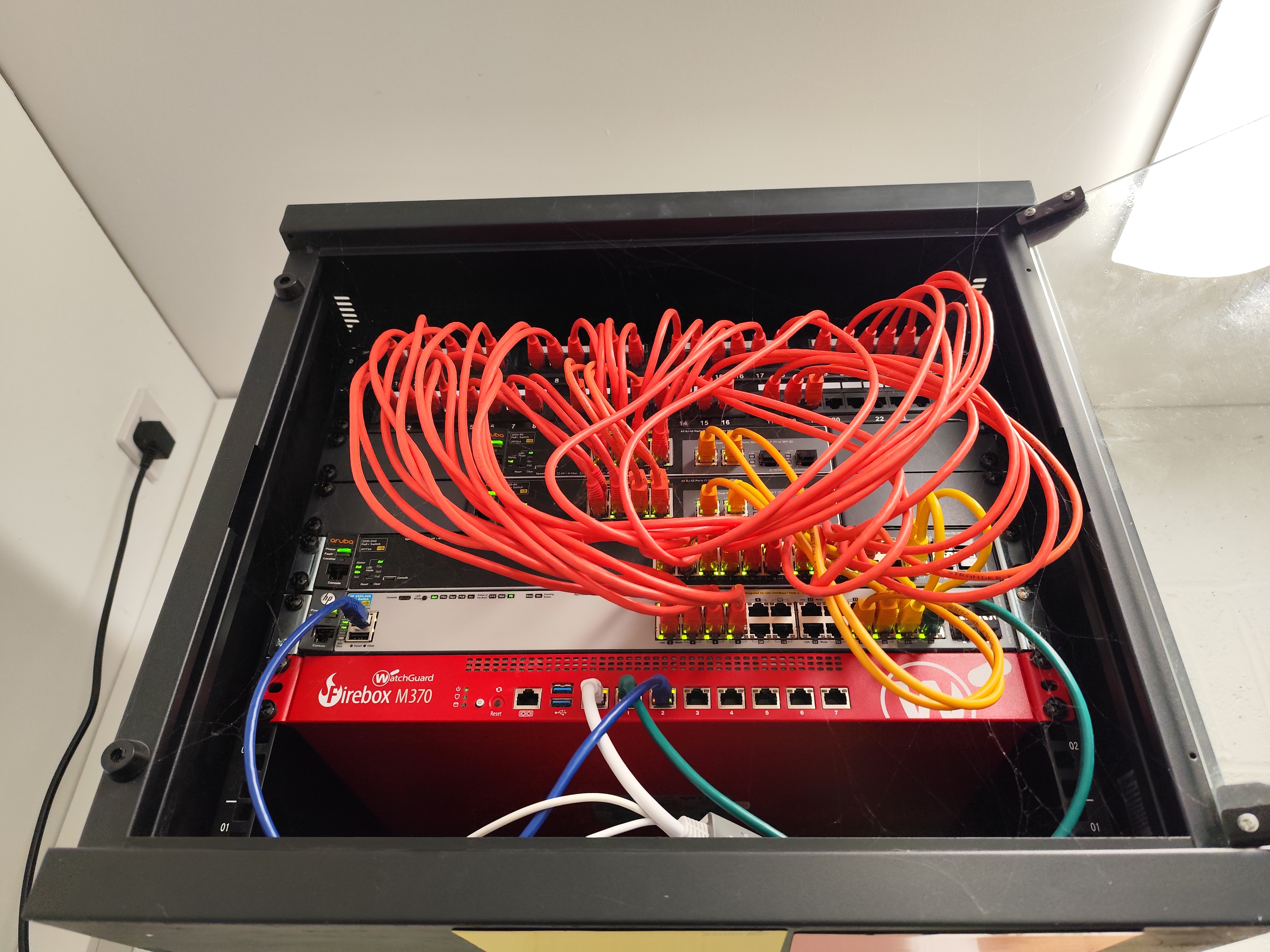
All access records, physical alarm triggers, and individual telemetry events are funneled into a single, comprehensive management dashboard. This centralized hub gives system administrators a highly detailed, real-time look at facility security, providing instant audit capabilities that track every historical entry, exit, and system state change for compliance and safety reporting.
Project Outcomes
- Elimination of Key Management Risks: Mitigated all administrative and security liabilities linked to physical keys through a centralized, instant-revocation electronic token framework.
- Automated Threat & Security Management: Eradicated human error regarding building security states by linking alarm arming and disarming directly to authorized user entry patterns.
- Real-Time Aperture Awareness: Gained instant insight into physical building security via continuous door-state telemetry, stopping latch failures or propped doors from creating vulnerabilities.
- Secure Unstaffed Operations: Achieved safe out-of-hours member usage by relying on strict automated logic parameters, maximizing facility utility without compromising regulatory compliance.
- Resilient Grid Autonomy: Guaranteed complete security infrastructure uptime and predictable fail-secure physical locking states across all entry points during critical utility power losses.
Equipment Used
Project Gallery